
Understanding the subconscious triggers that drive gambling behavior
The Allure of Risk and Reward
The subconscious triggers behind gambling behavior often revolve around the fundamental human attraction to risk and reward. People are naturally drawn to activities that offer the possibility of a significant payoff, often overshadowing the inherent risks involved. This tendency can be traced back to our evolutionary roots, where risk-taking could lead to survival advantages, such as securing food or resources. In modern contexts, these instincts manifest in various forms of gambling, from casino games to sports betting.
Moreover, the thrill associated with the possibility of winning can create an almost euphoric state, leading to a cycle of repeated behavior. The brain’s reward pathways are activated when individuals gamble, releasing dopamine, a neurotransmitter associated with pleasure and reinforcement. This chemical response can create a feedback loop, where the anticipation of a win becomes as gratifying as the win itself, further entrenching gambling habits.
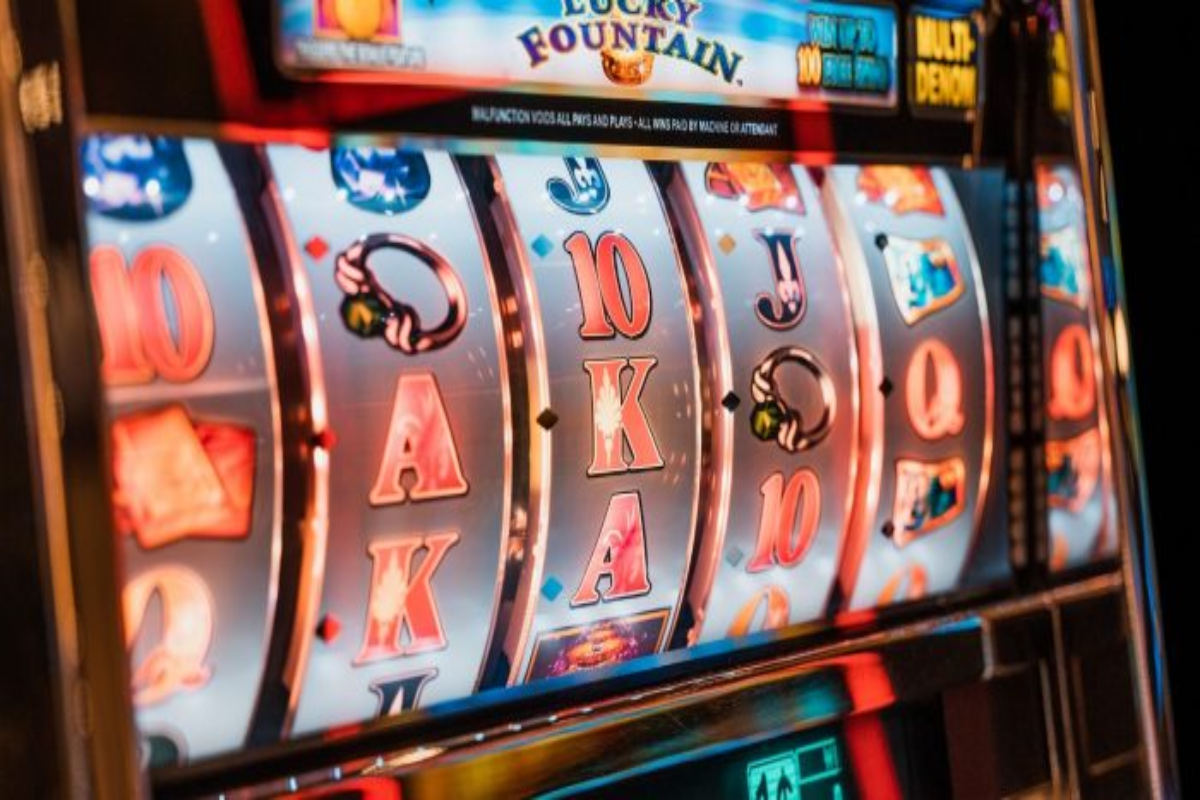
The allure of risk is further amplified by cognitive biases, such as the illusion of control, where individuals mistakenly believe they can influence the outcome of a game. This can lead to overconfidence and an increased willingness to gamble, as the subconscious mind clings to the notion that success is attainable with the right strategy or technique. The combination of evolutionary instincts, psychological rewards, and cognitive biases makes the drive to gamble a compelling and sometimes overwhelming force.
The Role of Emotional Triggers
Emotional factors play a pivotal role in gambling behavior, often serving as subconscious triggers that compel individuals to seek out gambling experiences. Many people turn to gambling as a coping mechanism for stress, anxiety, or boredom. The immediate escape provided by gambling can serve to mask negative feelings, providing a temporary sense of relief. However, this reliance can lead to a cycle of dependency as individuals may increasingly resort to gambling to navigate their emotional landscape.
Additionally, positive emotions can also trigger gambling behavior. Events such as celebrations or even moments of high energy can lead individuals to gamble as a form of social bonding or self-reward. The social aspect of gambling, particularly in settings like casinos or sports events, can amplify these emotional triggers, encouraging individuals to engage in gambling as a means of enhancing their experience, regardless of the potential financial repercussions.
This emotional connection to gambling is not just personal; it is also deeply social. The influence of peers can greatly affect one’s decision to gamble. The excitement shared among friends or family can trigger a subconscious desire to join in on the fun, sometimes leading to gambling activities that one might not otherwise engage in alone. This interplay between personal emotions and social dynamics creates a rich tapestry of motivations that can drive individuals to gamble.
The Impact of Marketing and Environment
The environment in which gambling occurs can significantly influence behavior, largely through subconscious triggers embedded in marketing strategies. Casinos and online gambling platforms design their spaces and user experiences to evoke excitement and encourage prolonged engagement. The use of bright colors, stimulating sounds, and enticing promotions all work to create an atmosphere that heightens anticipation and compels individuals to gamble more than they might initially intend.
Marketing tactics further exploit these subconscious triggers by playing on the emotional and psychological aspects of gambling. Advertisements often highlight extravagant lifestyles or life-changing wins, creating an aspirational image that appeals to potential gamblers. This can lead individuals to believe that they, too, can achieve such rewards, further motivating them to engage in gambling activities despite the underlying risks.
Moreover, the omnipresence of gambling in popular culture reinforces these subconscious triggers. Movies, television shows, and even music often romanticize gambling, depicting it as a glamorous or thrilling endeavor. This cultural framing normalizes gambling behavior and can encourage individuals to see it as a viable option for entertainment, despite the financial and emotional costs that may accompany it.
The Psychological Mechanisms at Play
Diving deeper into the psychological mechanisms that underlie gambling behavior, it becomes evident that various cognitive processes play a significant role. The phenomenon of variable reinforcement is one such mechanism, where rewards are given intermittently rather than on a fixed schedule. This unpredictability can lead to heightened engagement, as individuals continuously chase the next win, driven by the hope that it could happen at any moment.
Another psychological factor is the concept of cognitive dissonance. Gamblers may experience internal conflict when faced with the reality of losses versus their perception of winning potential. To resolve this dissonance, they may rationalize their gambling behavior, convincing themselves that future wins will offset current losses. This mindset can contribute to compulsive gambling patterns, as individuals become trapped in a cycle of belief and behavior that ultimately leads to further financial and emotional turmoil.
Additionally, the normalization of gambling through its prevalence in society can desensitize individuals to its risks. The more one is exposed to gambling, the more it becomes part of the social fabric, leading to a subconscious acceptance that can pave the way for increased gambling behavior. Understanding these psychological mechanisms is crucial for recognizing the underlying triggers that can lead to unhealthy gambling habits.
Exploring Solutions and Responsible Gambling
Addressing the subconscious triggers that drive gambling behavior necessitates a focus on responsible gambling practices and awareness. It is essential for individuals to recognize their emotional triggers and understand how they influence their gambling habits. This awareness can empower individuals to make more informed decisions about their gambling activities, helping to mitigate the risks associated with impulsive behavior.
Moreover, the implementation of self-exclusion programs and limits can be effective strategies for individuals struggling with gambling addiction. By actively choosing to set boundaries, individuals can create a healthier relationship with gambling, allowing for moderation and enjoyment without succumbing to compulsive patterns. Engaging in alternative activities or seeking support from mental health professionals can further aid in breaking the cycle of dependency on gambling.
Ultimately, fostering an understanding of the subconscious triggers at play can lead to more responsible gambling practices. By prioritizing emotional health and recognizing the psychological factors that influence behavior, individuals can engage with gambling as a form of entertainment rather than a means of escape. This shift in perspective is crucial for cultivating a balanced approach to gambling, ensuring that it remains a fun activity rather than a source of distress.
Golisimo Casino: A Responsible Gaming Destination
At , we prioritize not only a thrilling gaming experience but also the importance of responsible gambling. Our platform is designed with user well-being in mind, providing tools and resources to help players engage with gambling responsibly. We offer self-exclusion options, deposit limits, and informative materials about gambling behavior, ensuring that our users are equipped to make informed decisions.
With an extensive range of games, from slot machines to live dealer experiences, is committed to fostering a safe and enjoyable gaming environment. Our user-friendly interface and round-the-clock customer support make it easy for players to access help whenever needed. We believe that gaming should be a source of entertainment, and we strive to cultivate an atmosphere where players can enjoy their experience while being mindful of their gaming habits.